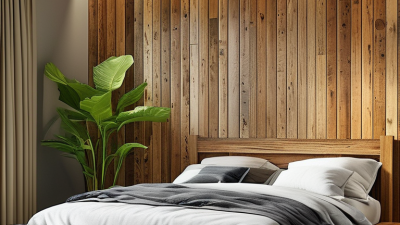
Top Wood Panel Wall Cladding Trends for Global Buyers?
The rising popularity of wood panel wall cladding reflects a growing trend in design. Homeowners and designers alike are drawn to its natural beauty and versatility. This material can transform any space, adding warmth and texture.
Wood panel wall cladding is not just about aesthetics. It also offers practical benefits. It provides insulation and can improve soundproofing. However, choosing the right wood type and finish is crucial. Some woods may warp or fade over time, and finding a reliable supplier is essential.
Today's global market showcases various styles and finishes, from rustic to modern. Buyers must stay informed about emerging trends. Being aware of the latest innovations will help them make informed decisions. Wood panel wall cladding holds great potential, yet careful consideration is necessary to avoid common pitfalls.
Current Market Overview of Wood Panel Wall Cladding Demand Globally
The global demand for wood panel wall cladding is witnessing a significant shift. A surge in interest is apparent, particularly from buyers seeking sustainable options. As consumers become more eco-conscious, there is an increasing preference for responsibly sourced materials. This trend highlights the importance of transparency in sourcing as a common expectation.
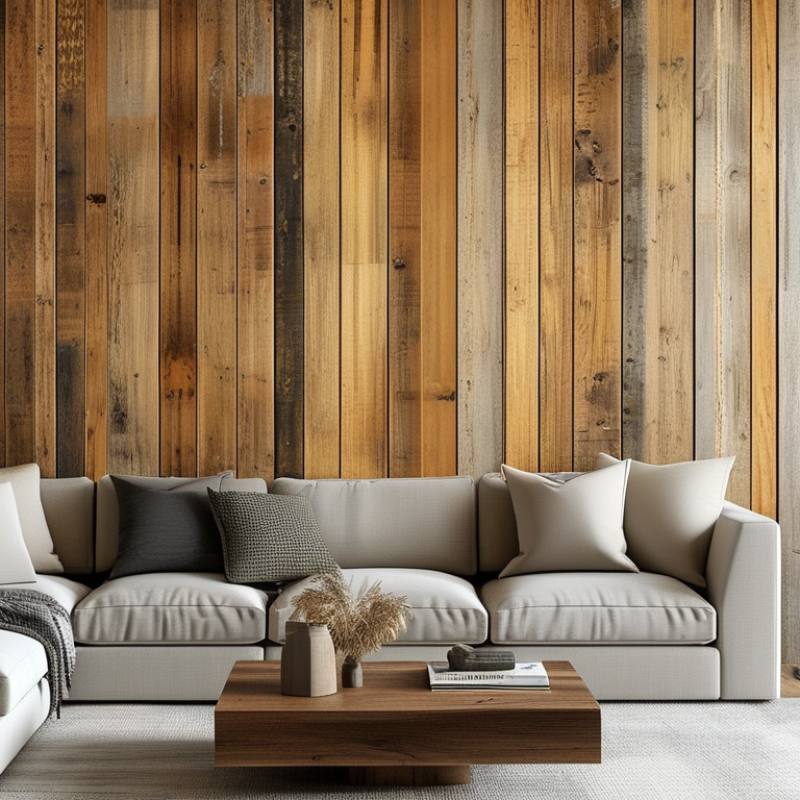
Many buyers are now drawn to products that feature a blend of modern design and natural aesthetics. Rustic finishes paired with sleek profiles are in high demand. Designers are experimenting with textures and patterns, thereby enhancing the visual appeal of spaces. However, despite the growing popularity, some challenges remain. Ensuring consistent quality and durability can be a concern, as not all suppliers meet the evolving market standards.
Moreover, trends show a rise in customization requests from consumers. They seek unique designs that reflect personal styles. Emerging technologies in production offer more possibilities but also raise questions about sustainability. Balancing innovation with eco-friendly practices may require deeper industry reflection. Considering these aspects is key to meeting the diverse needs of buyers in today's market.
Sustainable Materials Driving the Future of Wood Panel Wall Cladding
Sustainable materials are reshaping the landscape of wood panel wall cladding. As more buyers focus on eco-friendly options, the industry is witnessing a shift toward responsibly sourced timber. This trend is not just about aesthetics; it’s about reducing environmental impact. Sustainable wood options often come from certified forests. This ensures that wood products contribute to biodiversity and forest conservation.
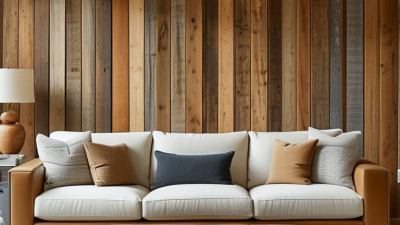
For those considering wood paneling, look for options that are treated with non-toxic finishes. This not only improves indoor air quality but also enhances the longevity of the panels. Reclaimed wood is another fantastic option. It adds character and history to spaces while minimizing waste.
All of this sounds appealing, yet challenges remain. Not all suppliers maintain the same standards for sustainability. It's essential to research the origins of the wood you plan to use. Verification is key for responsible purchasing. The richness of natural wood should come with a commitment to the planet. Every project can reflect this ethos through thoughtful selection.
Emerging Design Trends in Wood Panel Wall Cladding for Modern Interiors
The landscape of interior design is shifting, with wood panel wall cladding emerging as a key feature in modern spaces. According to recent market reports, the global wood cladding market is projected to grow significantly, with an expected CAGR of over 7% through 2028. This growth is driven by a desire for sustainable and aesthetically pleasing materials in residential and commercial settings.
Contemporary designs now favor the use of reclaimed wood and engineered wood materials. Reclaimed wood adds character and history to interiors, fostering a connection to nature. Meanwhile, engineered wood often offers enhanced durability and sustainability. The emphasis on eco-friendly practices resonates with today's consumers, who increasingly prioritize sustainability in their design choices.
However, not all wood panel designs achieve their intended impact. Some consumers may overlook the importance of color and texture harmony. A mismatch can detract from the overall aesthetic. Designers should consider the integration of wood panels with other materials, striking a balance that enhances visual appeal. As preferences evolve, being attuned to these emerging trends will be essential for creating engaging and modern interiors.
Technological Innovations Enhancing Wood Panel Wall Cladding Durability
Wood panel wall cladding is experiencing a transformation, driven by technological innovations that enhance durability. Recent data from industry reports indicate that the global market for wood wall cladding is projected to reach approximately $18 billion by 2025, showcasing a demand for long-lasting materials. With advancements in treatment methods and protective coatings, wood cladding can now resist harsh weather conditions and insect damage more effectively than ever before.
Innovative technologies like heat treatment and chemical preservative systems have emerged as critical factors. Heat-treated wood can withstand moisture better, reducing the risk of mold and decay. Furthermore, recent studies reveal that treated wood can last up to three times longer than untreated options. However, it is important to reflect on the environmental implications. Some treatment processes may not be eco-friendly, leading to concerns about sustainability.
The demand for aesthetic appeal remains strong. Buyers want wood panels that not only last but also offer unique design options. While advancements have improved the functionality of wood wall cladding, the challenge lies in balancing durability with sustainability. It is essential for manufacturers to explore greener alternatives without compromising quality. Ultimately, informed decisions in material selection will play a crucial role in shaping the future of wood panel wall cladding.
Top Wood Panel Wall Cladding Trends for Global Buyers
| Trend |
Description |
Technological Innovation |
Durability Enhancement |
| Sustainable Sourcing |
Using reclaimed and certified wood materials. |
Advanced tracking technologies for sourcing. |
Improves environmental impact and longevity. |
| Textured Finishes |
Incorporating patterns and grooves for aesthetic appeal. |
3D printing techniques for complex designs. |
Enhances surface protection against wear. |
| Fire-Resistant Treatments |
Application of fire-retardant chemicals on wood panels. |
Nanotechnology for deeper penetration of treatments. |
Significantly increases resistance to fire damage. |
| Eco-Friendly Coatings |
Non-toxic finishes that enhance appearance and safety. |
Innovations in bio-based coatings and finishes. |
Provides long-lasting surface integrity without harmful chemicals. |
| Smart Technology Integration |
Incorporating sensors for environmental monitoring. |
IoT devices for real-time data collection. |
Enables proactive maintenance to prolong life span. |
Key Regional Markets Influencing Wood Panel Wall Cladding Trends Worldwide
The global wood panel wall cladding market is shaped significantly by key regional players. In North America, sustainability drives demand for eco-friendly materials. Buyers prefer panels made from reclaimed wood or sourced from well-managed forests. This commitment to the environment influences design choices, often leading to rustic aesthetics that simulate a natural look.
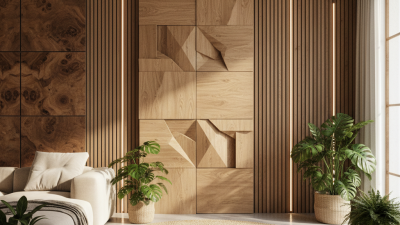
In Europe, there is a strong trend towards minimalism and modern design. The focus is on sleek, refined finishes that complement contemporary architecture. Scandinavian designs are particularly popular, emphasizing light woods and clean lines. However, this leaves room for reflection. Are we sacrificing warmth and texture for the sake of style?
Asia, particularly in countries like Japan and China, showcases a blend of tradition and innovation. Wood panels feature intricate carvings and natural finishes that respect historical architecture. Yet, there is concern regarding overexploitation of wood resources. This creates a need for balance. Adopting modern technology while honoring craftsmanship can inspire sustainable growth in this sector. The evolving landscape challenges buyers to think critically about their choices.