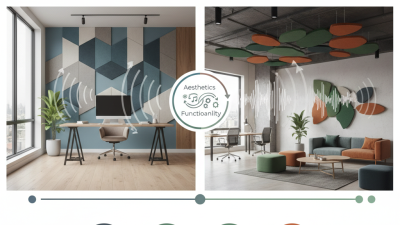
Fluted Acoustic Panels How They Enhance Sound Quality?
Fluted Acoustic Panels are gaining popularity in various environments. They play a crucial role in enhancing sound quality. Renowned acoustic expert Dr. Emily Carter states, "Fluted designs optimize sound absorption, creating a harmonious atmosphere." Her insights highlight the potential of these panels in different settings.
These panels feature strategic grooves that improve sound diffusion. They can be used in offices, studios, and concert halls. The fluted design not only adds aesthetic value but also enhances acoustic performance. However, achieving optimal results requires proper installation and selection.
Many overlook the importance of placement and material choice. This oversight can lead to subpar sound quality. Investing time in research and expert advice is essential. By doing so, users can fully experience the benefits of Fluted Acoustic Panels.
Understanding Fluted Acoustic Panels and Their Design Features
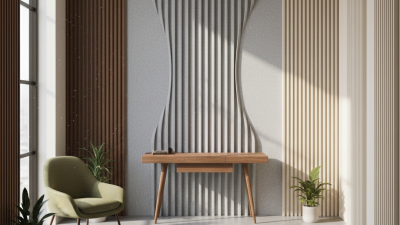
Fluted acoustic panels offer a unique approach to sound management. Their design features play a significant role in enhancing acoustic performance. These panels are composed of a series of vertical grooves that help diffuse sound waves. The grooves can vary in depth and width, allowing for flexibility in sound absorption. This varied structure is essential in minimizing echoes and controlling reverberation in spaces such as theaters and recording studios.
Moreover, the materials used in fluted acoustic panels contribute to their effectiveness. Often constructed from high-density foam or fiberglass, they possess excellent sound-absorbing properties. This means that they can capture unwanted noise, leading to clearer sound quality. When installed correctly, these panels can drastically improve the listening experience. However, it is crucial to consider the placement of each panel for optimal performance. Misplaced panels can lead to unexpected acoustic issues, diminishing their intended benefits.
The aesthetic aspect of fluted panels also should not be overlooked. Their vertical lines can add a modern touch to any room. However, achieving a balance between style and functionality can be challenging. Not every design choice will work in every space. Experimentation and adjustment are often necessary to find the perfect fit for specific acoustic needs.
How Fluted Acoustic Panels Improve Sound Quality in Various Spaces
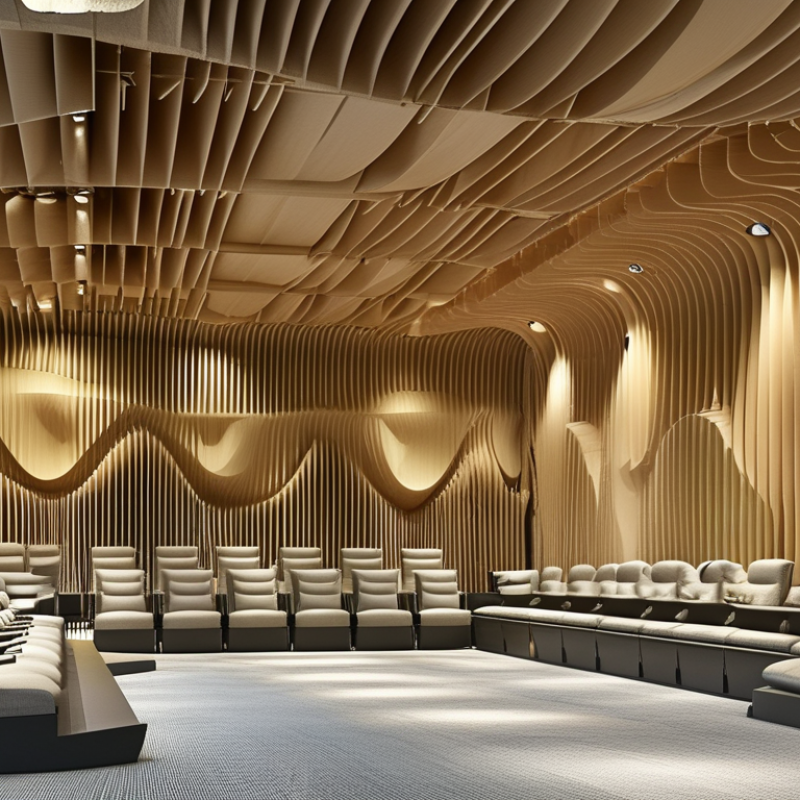
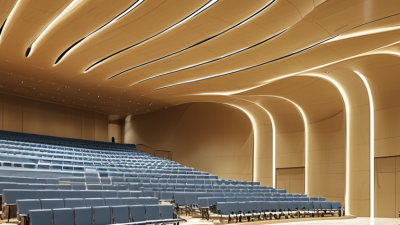
Fluted acoustic panels are becoming increasingly popular in diverse spaces. These panels feature grooves that effectively diffuse and absorb sound waves. This design minimizes echo and creates a more balanced auditory environment. In concert halls, they enhance music quality by controlling sound reflections. The result is a crisp and clear sound experience for all listeners.
In offices and public spaces, fluted panels serve another crucial purpose. They reduce noise pollution, helping people concentrate better. Open-plan layouts benefit significantly from these panels. The sound absorption reduces distractions, creating a more productive atmosphere. However, installation must be done thoughtfully. Poor placement can lead to unintended sound issues, making professional guidance essential.
Ultimately, the impact of fluted acoustic panels goes beyond aesthetics. They merge functionality with design, transforming the acoustic landscape of any venue. When chosen correctly, these panels contribute to an enjoyable sound experience. Yet, understanding the space and sound dynamics is key. Without this, even the best panels may fall short of their potential.
The Science Behind Sound Absorption in Fluted Acoustic Panels
Fluted acoustic panels are designed to enhance sound quality in various environments. Their unique structure allows for increased sound absorption. The fluted patterns create varied surfaces that trap sound waves. This reduces reflections and echoes in a room. Consequently, voices become clearer, and music sounds more vibrant.
The science behind sound absorption lies in material composition and geometry. Fluted panels often utilize porous materials that can absorb sound waves effectively. Different frequencies of sound can interact with the grooves and valleys, dissipating energy. However, not all fluted surfaces are equally effective. The depth and spacing of the flutes influence performance. A poorly designed panel can lead to inadequate absorption, leaving some areas still echoing.
Proper placement of these panels is also crucial. Installing them in strategic locations maximizes their effectiveness. Yet, there is a balance to achieve. Overusing panels can make a room sound overly dampened. Rooms may lose life and warmth without sufficient reflection. It is essential to assess the specific acoustics of each space for optimal results.
Comparative Analysis: Fluted vs. Flat Acoustic Panels
Fluted acoustic panels and flat acoustic panels serve similar purposes but differ significantly in effectiveness. Fluted panels offer enhanced sound absorption due to their unique surface texture, which increases air turbulence. According to a study by the Acoustical Society of America, fluted designs can provide up to a 25% better sound reflection control compared to flat panels. They effectively break up sound waves, minimizing echo and improving clarity in larger spaces.
In areas like recording studios and auditoriums, the choice between these two types can greatly affect sound quality. The textured surface of fluted panels creates multiple acoustic pathways, which leads to a richer sound experience. Conversely, flat panels may absorb sound but lack the ability to diffuse it properly. Reports indicate that poorly placed flat panels can lead to uneven sound distribution, which may require further adjustments. Fluted panels can reduce the need for additional sound management solutions, providing a more immediate and effective result in many settings.
Acoustic needs can vary widely based on specific environments. Some users might find fluted panels visually overwhelming. Their unique designs might clash with the aesthetic goals of certain spaces. Ultimately, the selection requires careful consideration and understanding of the space's acoustic requirements and desired sound quality outcomes.
Applications of Fluted Acoustic Panels in Architecture and Interior Design
Fluted acoustic panels are gaining traction in architecture and interior design. Their unique design not only enhances aesthetics but significantly improves sound quality as well. Many designers are now incorporating these panels into various spaces, recognizing their functionality and visual appeal. Restaurants, offices, and home theaters are just a few examples where these panels shine.
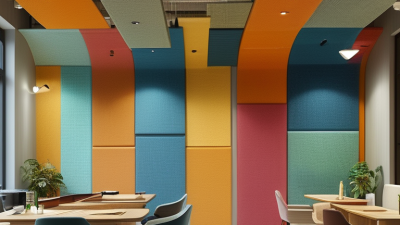
In a bustling café, fluted panels can soften the harsh sounds of clinking dishes and chatter. By absorbing excess noise, they create a more inviting atmosphere. In corporate offices, these panels can break up hard surfaces, reducing echoes and improving concentration among employees. The dynamic lines of fluted panels add a touch of sophistication, making each space unique.
However, it’s important to consider the placement of these panels. Misalignment or poor selection may hinder their performance. In residential spaces, the style should reflect personal taste while serving its intended purpose. Finding the right balance between function and form can be challenging but rewarding. The thoughtful integration of fluted acoustic panels can transform any environment into a harmonious haven.
Fluted Acoustic Panels: Enhancing Sound Quality
Fluted acoustic panels significantly enhance sound quality in various environments by reducing echo, improving clarity, providing effective sound absorption, delivering aesthetic appeal, and offering versatility in design applications. This chart illustrates their impact in different areas.