
What Are the Best Black Acoustic Wall Panels?

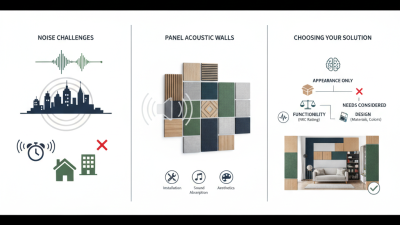
Choosing the best Black Acoustic Wall Panels requires more than comparing colors, prices, or product photographs. A panel may look dramatic on a studio wall yet perform poorly in a lively office, restaurant, or home theater. This guide examines practical acoustic performance, material quality, installation methods, fire-safety documentation, and long-term maintenance.

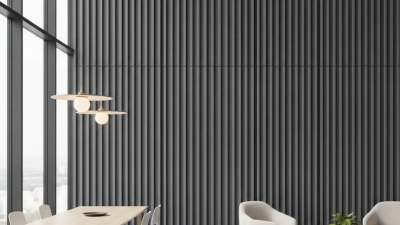
Real rooms reveal important differences. A dark fabric surface can soften reflections while adding visual weight to a space. Behind a desk, panels may reduce distracting echoes during video calls. Across a large dining area, they can make conversations clearer without creating a noticeably padded appearance. However, results depend on panel thickness, wall coverage, placement, ceiling height, and existing furniture. No panel solves every room.

The discussion will compare absorption ratings, core materials, edge details, mounting systems, and environmental considerations. Reliable specifications matter, but they should be read carefully. Laboratory results may not represent an entire room. That part is easy to overlook. I will also consider installation experience, cleaning demands, color consistency, and how black surfaces respond to dust or fingerprints. Some recommendations may remain imperfect because acoustic design involves trade-offs. A thinner panel saves space but may absorb less low-frequency sound. A highly textured finish may improve style while complicating cleaning. The best choice is therefore not universal. It is the panel that fits the room’s acoustic problems, design goals, budget, and verified performance evidence.
What Are the Best Black Acoustic Wall Panels?

What Are Black Acoustic Wall Panels?

What Are the Best Black Acoustic Wall Panels?

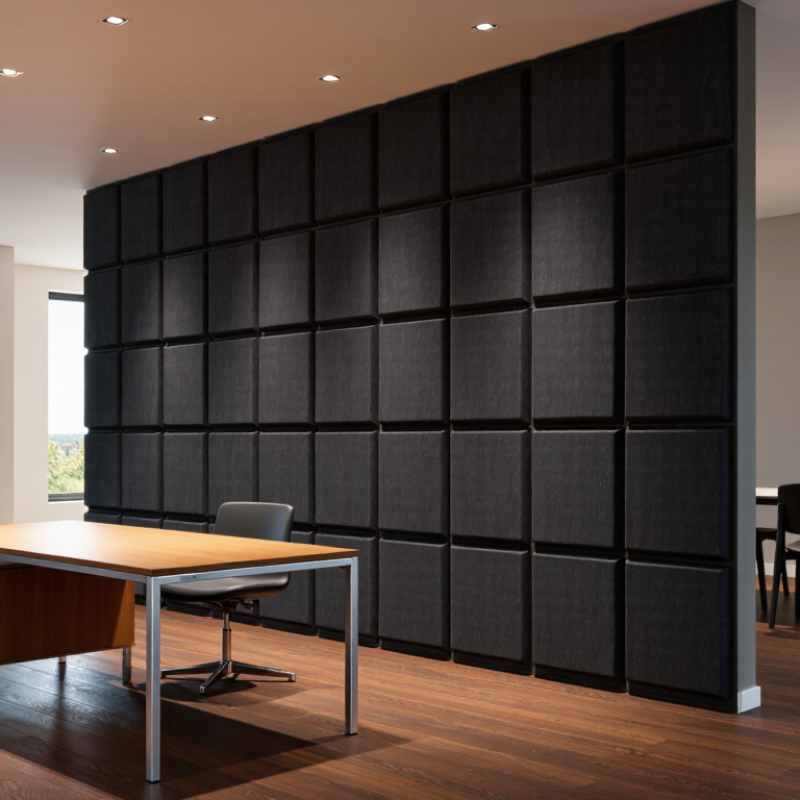
Black acoustic wall panels are sound-absorbing surfaces with a dark fabric, felt, wood, or composite finish. Their color does not create acoustic performance. The internal structure does. Porous fibers reduce reflected sound, while thicker panels usually absorb lower frequencies more effectively. In a meeting room, a properly placed panel can soften echoes, improve speech clarity, and reduce the harsh sound of chairs, keyboards, and voices.

Look for tested performance, not attractive photographs. ASTM C423 reports sound absorption through the Noise Reduction Coefficient, or NRC, which ranges from 0 to 1. Higher values generally indicate stronger absorption across tested mid frequencies. ISO 354 uses reverberation-room testing, while ISO 11654 classifies absorbers by measured performance. These standards matter. Still, laboratory results may not match a furnished room.

Placement changes everything. Panels behind speakers, beside workstations, and across parallel walls often provide better control than one large decorative section. A 2023 report from the World Health Organization links excessive indoor noise with reduced concentration and increased stress. That supports practical acoustic treatment, but it does not prove every black panel will solve a noise problem. I have seen attractive panels underperform when installed too thinly. Measure the room, check the test certificate, and question unsupported NRC claims. The finish is visible. The data is more important.

How Black Acoustic Wall Panels Reduce Noise

Black acoustic wall panels help reduce noise by absorbing sound energy, not by completely blocking it. Their porous cores slow sound waves and reduce reflections from hard walls. Black fabric surfaces can also create a calm, controlled visual effect in offices, studios, classrooms, and home theaters.

Less echo. Better speech clarity.

In a meeting room, untreated walls may make voices bounce across glass, plaster, and flooring. After installing panels at ear level and near the main reflection points, speech usually sounds cleaner. The room may feel quieter, even when the same number of people are talking.

Panel thickness, density, coverage, and placement all matter. A thin decorative panel cannot perform like a thicker acoustic absorber. Check laboratory ratings, such as noise reduction coefficients, before choosing products.

Installation experience also reveals a limitation. Panels reduce reverberation inside a room, but they do not fully stop footsteps, traffic, or voices passing through walls. Sealing gaps, improving doors, and adding soft furnishings may still be necessary. Black panels can show dust and fabric marks under strong lighting. That detail is easy to overlook. I would test one panel in the actual room before covering an entire wall. Room shape, furniture, and ceiling height can change the result, so online specifications should support judgment, not replace it.

Key Materials and Designs Used in Black Acoustic Panels

What Are the Best Black Acoustic Wall Panels?

Black acoustic panels work best when their materials match the room’s noise problem. PET felt panels are lightweight, durable, and available in deep charcoal shades. Their porous structure absorbs mid and high frequencies, including speech and keyboard noise.

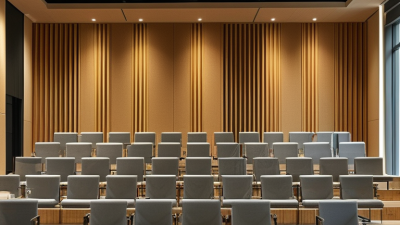
Mineral wool panels usually provide stronger broadband absorption, especially when installed with an air gap. Wood-slat systems combine a perforated backing with timber strips. They add warmth, but their performance depends heavily on the exposed acoustic backing.

Panel thickness and spacing matter more than color. ASTM C423 measures sound absorption in laboratories, while ISO 354 supports reverberation testing. These methods often report NRC or weighted absorption values. A higher rating generally means better absorption, but room placement still controls the result.

Ceiling clouds can reduce reflected sound above desks. Wall panels near speakers and opposite hard surfaces improve speech clarity.

Black finishes may hide dust, yet painted surfaces can reduce airflow through porous materials. I would not treat every NRC number as a complete answer.

Tips: Check the test report, thickness, mounting method, and fire classification. Leave a small air cavity behind porous panels when possible. Use felt for visual flexibility, mineral wool for stronger absorption, and slatted designs where appearance matters. Avoid covering every wall blindly. A simple reverberation measurement can reveal whether the room needs more absorption or better placement. Professional acoustic testing is imperfect, but it prevents expensive guesswork.

How to Choose the Best Black Acoustic Wall Panels

What Are the Best Black Acoustic Wall Panels?

How to Choose the Best Black Acoustic Wall Panels

Choosing black acoustic wall panels starts with the room’s actual sound problem. Hard walls create sharp reflections, while bare floors add a hollow, tiring echo. In a home office, I would check speech clarity during video calls. In a studio, I would listen for uneven bass and flutter echoes. Black panels can look refined, but appearance should not replace measured performance.

Look for tested absorption data, especially the noise reduction coefficient or equivalent laboratory rating. Higher absorption is useful, but the result depends on panel thickness, spacing, and wall coverage. Dense felt often softens voices and mid-range noise. Air gaps behind panels can improve low-frequency absorption. Thin decorative panels may look impressive and perform modestly. That distinction is easy to miss.

Safety also matters. Check fire performance, material emissions, and installation instructions before buying. Panels should remain secure near desks, doors, and ventilation equipment. I once preferred a darker finish, then noticed it revealed dust under direct lighting. That was a practical mistake. Ask for a physical sample if possible. Examine its texture, edge quality, color consistency, and reaction to room lighting. A small sample cannot predict every acoustic result, but it can expose weak construction early. Weighted coverage matters more than a fashionable photograph.

What Are the Best Black Acoustic Wall Panels?

Panel thickness and installation depth strongly influence sound absorption. The comparison below uses representative laboratory-tested NRC ranges for common acoustic panel constructions; actual performance varies by material density, mounting method, and air gap.

For speech-focused rooms, a 24–40 mm porous panel is often a practical balance between absorption, appearance, and wall coverage. Thicker panels or panels installed with an air gap generally provide stronger low-frequency absorption.

Where to Install and How to Maintain Them

Black acoustic wall panels work best when their placement follows the room’s sound behavior, not only its color scheme. Install them at strong reflection points, such as the side walls beside a speaker or meeting table. In larger rooms, treat the rear wall to reduce slap echo. A ceiling cloud may help when voices still feel harsh. ANSI/ASA S12.60 sets a reverberation target of about 0.6 seconds for many smaller learning spaces. That benchmark can guide offices, studios, and home theaters, although every room behaves differently. Measure before covering every surface.

Leave space around switches, outlets, radiators, sprinklers, and ventilation equipment. Confirm the panel’s fire-performance documentation before installation. ASTM C423 and ISO 354 describe laboratory methods for measuring sound absorption, but test results do not guarantee identical field performance. That distinction matters.

I once saw a small room become unnaturally dull after too much wall treatment. More absorption was not automatically better.

Black panels reveal dust, lint, and fingerprints quickly, especially under direct lighting. Vacuum them monthly with a soft brush attachment, moving gently across the surface. For marks, use a barely damp microfiber cloth and test an unseen area first. Avoid soaking, abrasive cleaners, and stiff brushes. Keep furniture from rubbing the lower edges. Inspect adhesive points and mounting hardware twice yearly. Maintenance records may seem excessive, but they reveal recurring moisture or ventilation problems. WHO’s Environmental Noise Guidelines for the European Region also connect excessive noise exposure with sleep and well-being concerns, reminding us that acoustic comfort deserves regular review.

Write your message here and send it to us.