How to Choose the Best Curved Acoustic Panels for Your Space?
Choosing the best Curved Acoustic Panels for your space can significantly enhance sound quality and aesthetics. These panels serve a dual purpose: they absorb sound and add visual interest to a room. When selecting them, consider the specific acoustic challenges you face. For instance, a large open area may require more panels than a smaller, enclosed space.
Curved Acoustic Panels come in various materials and designs. Each material has unique acoustic properties, which can impact sound absorption differently. Understanding these properties is crucial. You might find that foam panels are lightweight and easy to install. However, wood panels can provide a more upscale look while still offering excellent soundproofing capabilities.
Also, think about the color and style that suits your environment. A well-chosen panel can blend in seamlessly. Yet, it’s easy to overlook how the design can affect the overall vibe of a room. Evaluation of both form and function is essential. Each choice shapes the auditory experience in your space. Hence, taking the time to weigh your options thoughtfully is important.
Understanding the Importance of Curved Acoustic Panels in Sound Management
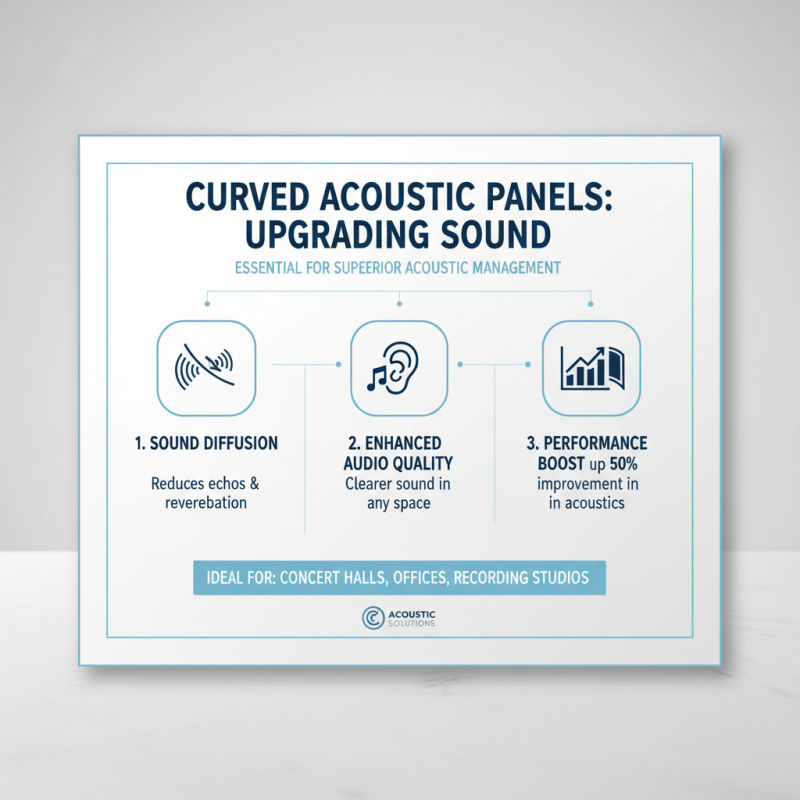
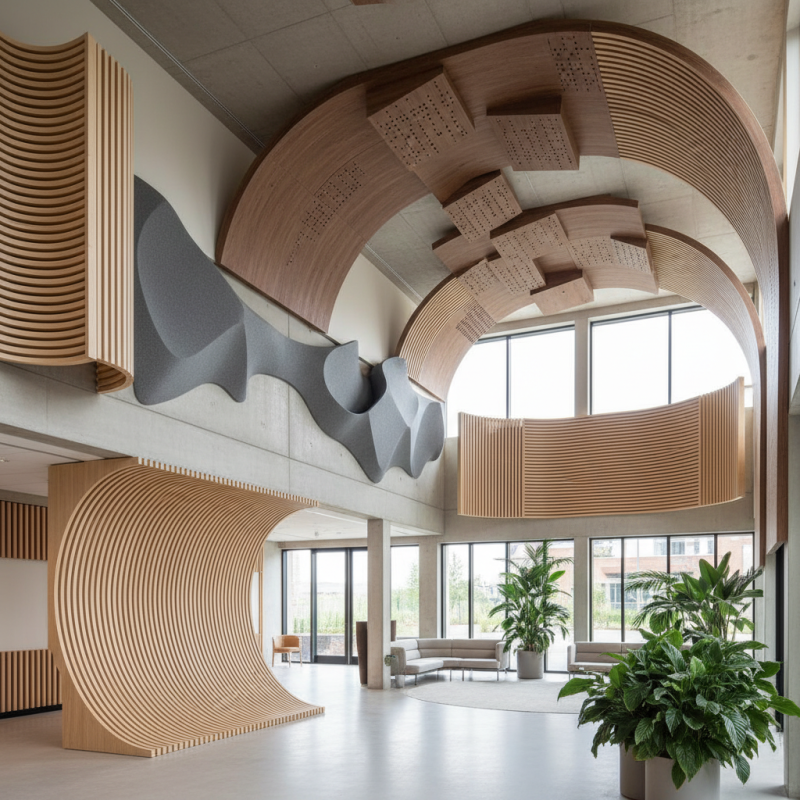
Curved acoustic panels play a crucial role in sound management for various spaces. These panels help to control and diffuse sound, reducing echoes and enhancing audio quality. Studies show that well-designed acoustic solutions can improve acoustic performance by up to 50%. This is particularly significant in spaces like concert halls, offices, and recording studios.
Curved panels are unique in their ability to redirect sound waves. Unlike flat panels, they can tackle a wider range of frequencies. The curvature helps in dispersing sound energy more evenly throughout a room. According to architectural acoustics expert reports, using curved panels can create a more pleasant auditory environment. This is vital for both productivity in workplaces and enjoyment in performance venues.
Yet, selecting the right panels can be challenging. Space dimensions, acoustic goals, and aesthetic preferences all matter. Large spaces often require a combination of panel types. Simple aesthetic choices can sometimes overshadow acoustic needs, leading to unsatisfactory results. Reflecting on your requirements and testing different options is essential for achieving the best sound management.
Evaluating the Key Features of Curved Acoustic Panels for Your Environment
When evaluating curved acoustic panels for your environment, consider several key features. The shape of the panels affects how sound waves interact with the surfaces in your space. Curved designs can help diffuse sound more effectively than flat panels. This diffusion reduces echo and improves overall sound quality. It’s essential to choose a shape that complements your room layout.
Material choice is another crucial aspect. Different materials absorb sound to varying degrees. For instance, fabric-covered panels often provide a softer acoustic treatment compared to rigid materials. Consider the specific acoustic needs of your space. Analyzing sound frequency and intensity will guide your selection.
Installation is equally important. Panels may need to be mounted at specific angles for optimal performance. Some designs allow for easy adjustments post-installation. This flexibility can be essential as your environment evolves. Overall, understanding these features will help you make a more informed decision about the best options for your needs.
How to Choose the Best Curved Acoustic Panels for Your Space?
| Feature |
Description |
Benefits |
| Material |
Commonly made from fiberglass, foam, or fabric |
Effective sound absorption and durability |
| Design |
Curved shapes to enhance aesthetics |
Adds visual interest while improving acoustics |
| Thickness |
Ranges from 1 to 4 inches |
Thicker panels offer better sound absorption |
| Installation |
Wall-mounted or suspended options available |
Versatile installation options to fit various spaces |
| Color & Finish |
Available in various colors and textures |
Customization to match interior design |
| Acoustic Rating |
Measured in NRC (Noise Reduction Coefficient) |
Higher NRC numbers indicate better sound absorption |
Identifying the Right Material Options for Curved Acoustic Panels
When selecting curved acoustic panels, the material is crucial. Acoustic panels can be made from various materials, each with unique properties. Common options include fiberglass, foam, and fabric-wrapped panels. Fiberglass offers excellent sound absorption. According to a study by the Acoustical Society of America, fiberglass can reduce noise levels by up to 80%. However, it is essential to consider the environmental impact of production.
Foam panels are lightweight and often more affordable. They provide satisfactory sound absorption and are easier to install. Yet, they may not be as durable as fiberglass. In practice, foam can degrade faster in high-traffic environments, leading to unexpected maintenance costs. Fabric-wrapped panels combine aesthetics with functionality. They can enhance a room's design while effectively controlling sound.
Evaluating space-specific needs is vital. Factors like room size, existing décor, and intended use influence material selection. For instance, high-ceiling spaces might require denser materials. Curved designs can also change sound dynamics significantly. Careful assessment ensures optimal acoustic performance and aesthetic appeal. Ultimately, making a thoughtful choice enhances overall user experience in the space.
Measuring Your Space for Optimal Placement of Curved Acoustic Panels
When considering curved acoustic panels, measuring your space is crucial. Start by assessing the dimensions of the room. Use a tape measure to determine the length, width, and height. This information will guide you in selecting the appropriate size and quantity of panels.
Consider the room's layout. Take note of walls, windows, and existing furniture. These elements impact sound distribution. Curved panels can help control reflections in tricky spots. Identify areas where sound often echoes or muddles. It's beneficial to mark these on your floor plan.
Don't hesitate to visualize potential placements. Experiment with panel arrangements using painter’s tape on the walls. This method allows you to see how they might fit and improve sound quality. Remember, every space is unique. Learning from trial and error is part of the process. Ultimately, effective panel placement enhances your environment's acoustic experience.
Optimal Placement of Curved Acoustic Panels
This bar chart illustrates the optimal effectiveness percentages for different placements of curved acoustic panels in a space. As shown, corner placement is the most effective, followed by mixed placements, wall placements, and ceiling placements.
Comparing Aesthetic Styles and Colors of Curved Acoustic Panels
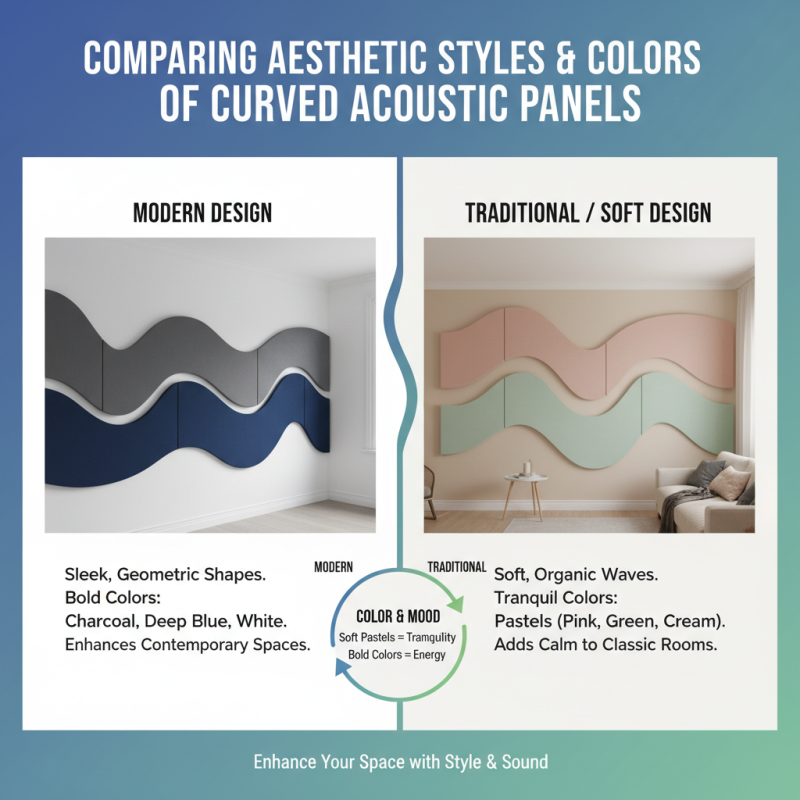
When it comes to choosing curved acoustic panels, aesthetic styles and colors play a significant role. Curved panels can greatly enhance the visual appeal of any space. They can blend seamlessly with modern designs or add a soft touch to more traditional environments. Consider how colors affect mood. Soft pastels create tranquility, while bold colors can energize a space.
Tips: Always test colors in different lighting. What looks good in daylight may change at night.
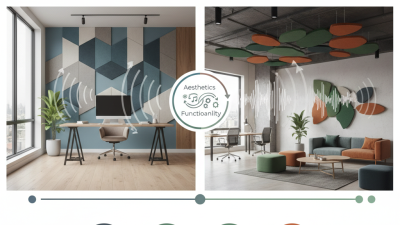
Textures are equally important. Smooth surfaces may appear sleek, while textured panels add depth and interest. Think about coherence. Curved panels should harmonize with existing decor, whether in a home or office.
Tips: Mix and match styles thoughtfully. Too many different designs can lead to chaos. Aim for balance and coherence.
Reflect on the purpose of your space. A cozy reading nook requires different aesthetics than a lively conference room. Your choices should resonate with the intended function. Don't hesitate to revisit your selections; sometimes, a fresh perspective leads to better choices.